Disclosure: this post contains affiliate links. As an Amazon Associate I earn from qualifying purchases, at no extra cost to you.
The best camera for filmmaking is the one that fits your project, your budget and the lenses you can afford, and then stays out of the way. In 2026 a mirrorless camera that shoots 10-bit 4K in log is enough for a festival-ready short, and moving up to a cinema body buys convenience, not better stories.
This guide shows how to choose, in order: decide what you are shooting, learn which specs actually matter, then match a camera class to your budget. It names current example cameras, but lineups change quickly, so use them as starting points and check the latest reviews before you spend.
Start with the project, not the spec sheet
Ask what the camera has to do.
- Documentary or run-and-gun: you need good autofocus, built-in stabilization, low-light performance and a body you can carry for twelve hours.
- Narrative short or feature: you want a good codec, the lens mount of your choice, clean audio inputs and manual control. Autofocus matters less because you can pull focus.
- Commercial or branded content: reliability, color science that matches the rest of the crew's gear, and easy rental matter most. If you do client work, check what your clients already shoot. A look at the pre-production planning tools helps you plan the gear list.
- Guerrilla or no-budget shoots: small and quiet wins. See our guerrilla filmmaking guide.
- Visual effects or green screen: look for a global shutter or fast readout, a high bit-depth codec and open gate or RAW options.
The specs that matter for filmmaking
Resolution is the least important number. Almost every camera sold today records 4K, and most audiences cannot tell 4K from 6K on a phone or laptop. Look at these instead.
Recording format and dynamic range
- 10-bit with a log profile (S-Log3, V-Log, C-Log, Blackmagic Film) gives you room to grade. 8-bit footage breaks easily when you push color. Our guide to color grading vs color correction explains why.
- Internal RAW or ProRes is a bonus on cinema cameras, but it creates large files. Plan your storage.
- Dynamic range of around 13 to 15 stops is typical for modern cameras. More helps with windows and bright skies.
Sensor size
Full frame, Super 35 and Micro Four Thirds are all legitimate. Larger sensors give shallower depth of field and better low-light results, and smaller ones give deeper focus and smaller, cheaper lenses. See depth of field in cinematography for how sensor size changes your images.
Autofocus and stabilization
Modern autofocus from Sony, Canon and Panasonic tracks faces well enough to save a documentary shoot. In-body image stabilization (IBIS) makes handheld footage far more usable, but it will not turn a handheld take into a gimbal shot. For techniques, see handheld vs stabilized cinematography.
Built-in ND filters
Internal ND filters let you keep your aperture and shutter where you want in bright light, with no screw-on filters. Many cinema bodies have them, and many mirrorless cameras do not. If you shoot outdoors often, this saves time.
Audio inputs
Sound can sink a film faster than any picture problem. Look for a full-size XLR input (or an XLR handle or adapter), headphone jack and clean preamps. Many professionals record dual-system with a separate recorder anyway, but a decent camera input is a good safety net.
Lens mount and lens availability
The camera body matters less than the mount. Common mounts include Sony E, Canon RF, Nikon Z, Panasonic L, Micro Four Thirds and PL or EF on cinema cameras. A mount with a wide choice of lenses and adapters, including used ones, saves money. Budget at least as much for lenses as for the body.
Rolling shutter and heat
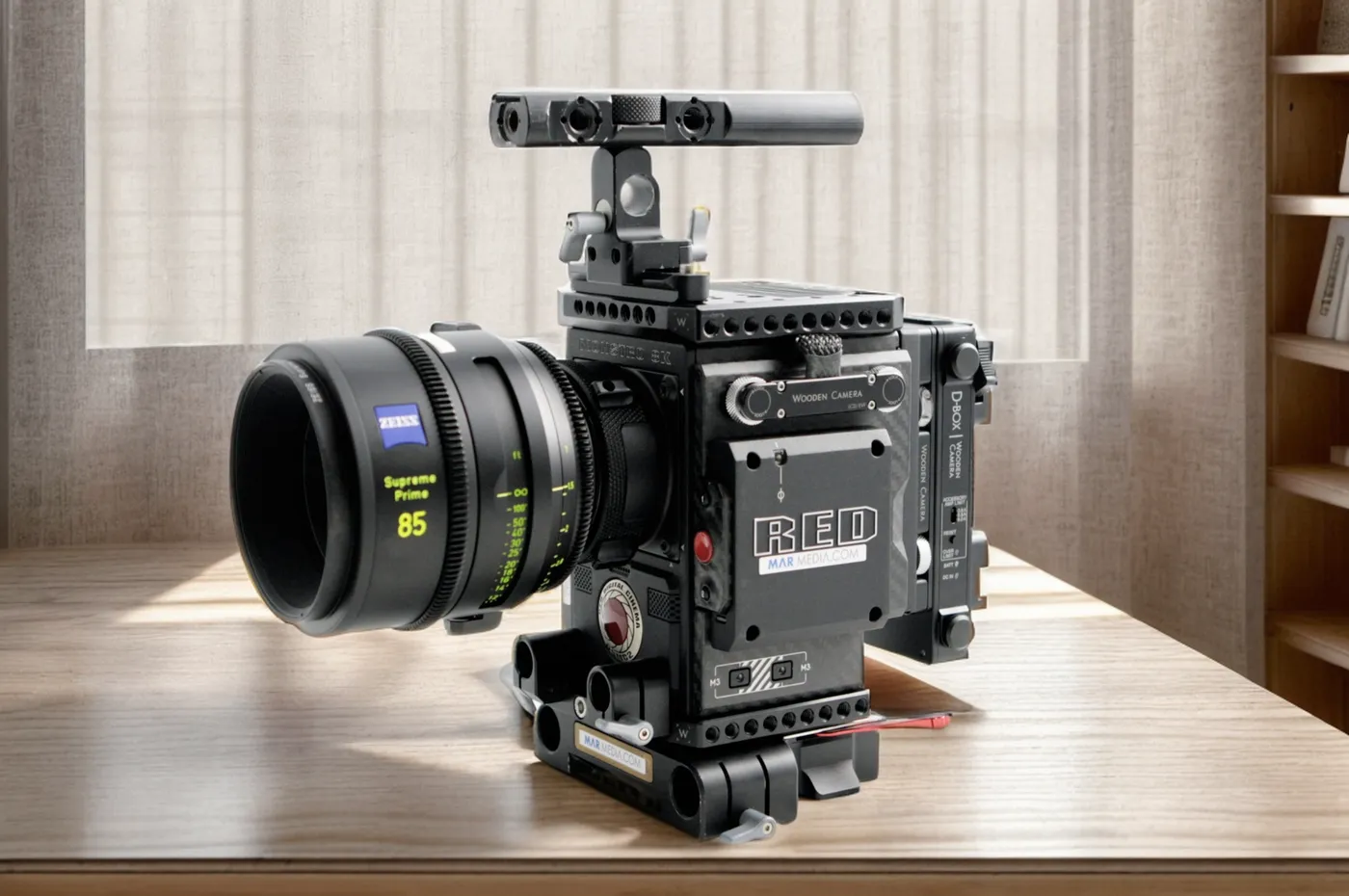
Rolling shutter skews fast pans and flash photography. Global shutter sensors (the RED Komodo-X, for example) avoid it. Also check how long the camera records before overheating, and whether it has recording limits.
Camera classes and current examples
Prices change often, so treat these ranges as rough guides and check current listings.
| Class | What you get | Example current options |
|---|---|---|
| Phone | 4K, good in daylight, deep focus, small | Recent iPhone or Android flagship with a manual camera app |
| Entry-level hybrid | 4K, 10-bit log on some models, interchangeable lenses, light body | Sony A6700 or A6400 (used), Panasonic Lumix G7 (used), Canon R50 |
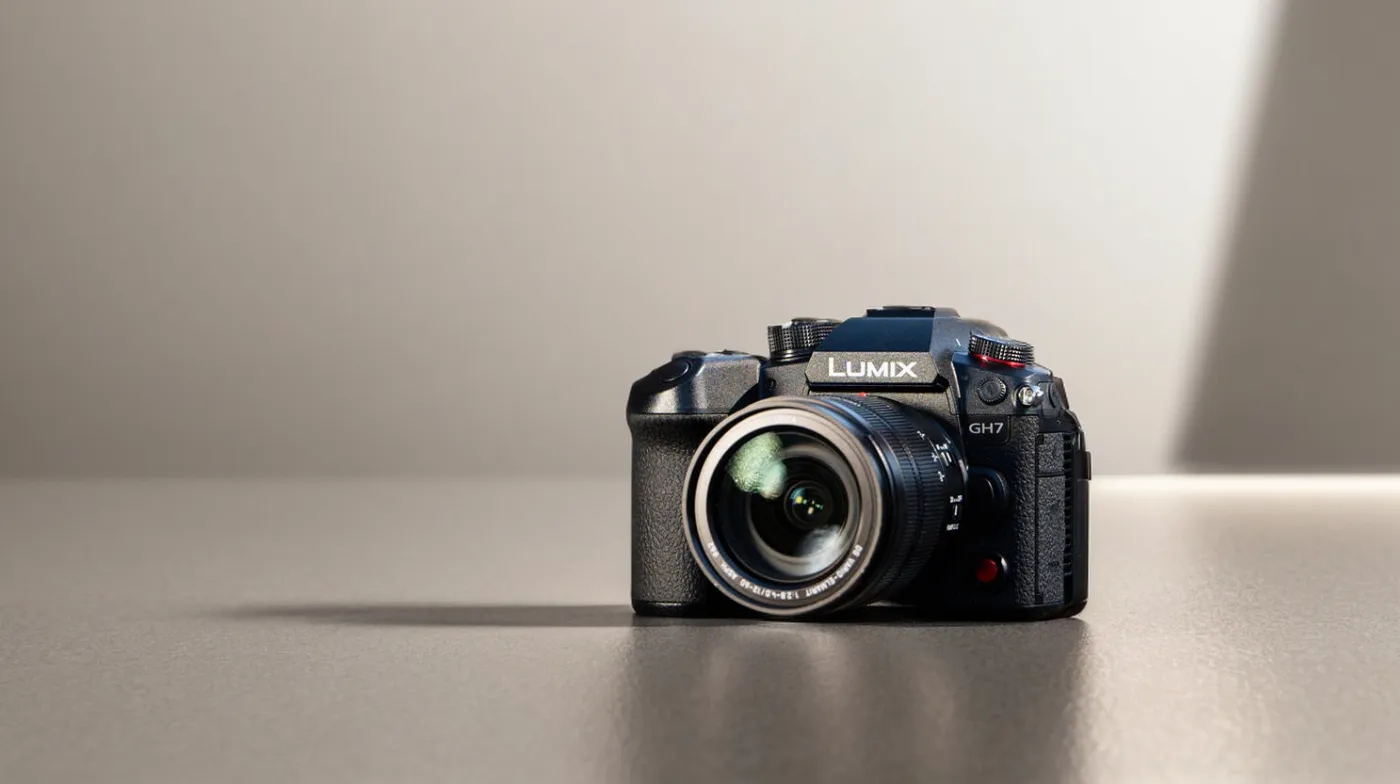
| Mid-range hybrid and cinema-lite | 10-bit log, good autofocus, better ergonomics, often full frame | Panasonic GH7 and S5 II, Sony FX3 and FX2, Canon C50, Blackmagic PYXIS 6K, Nikon ZR |
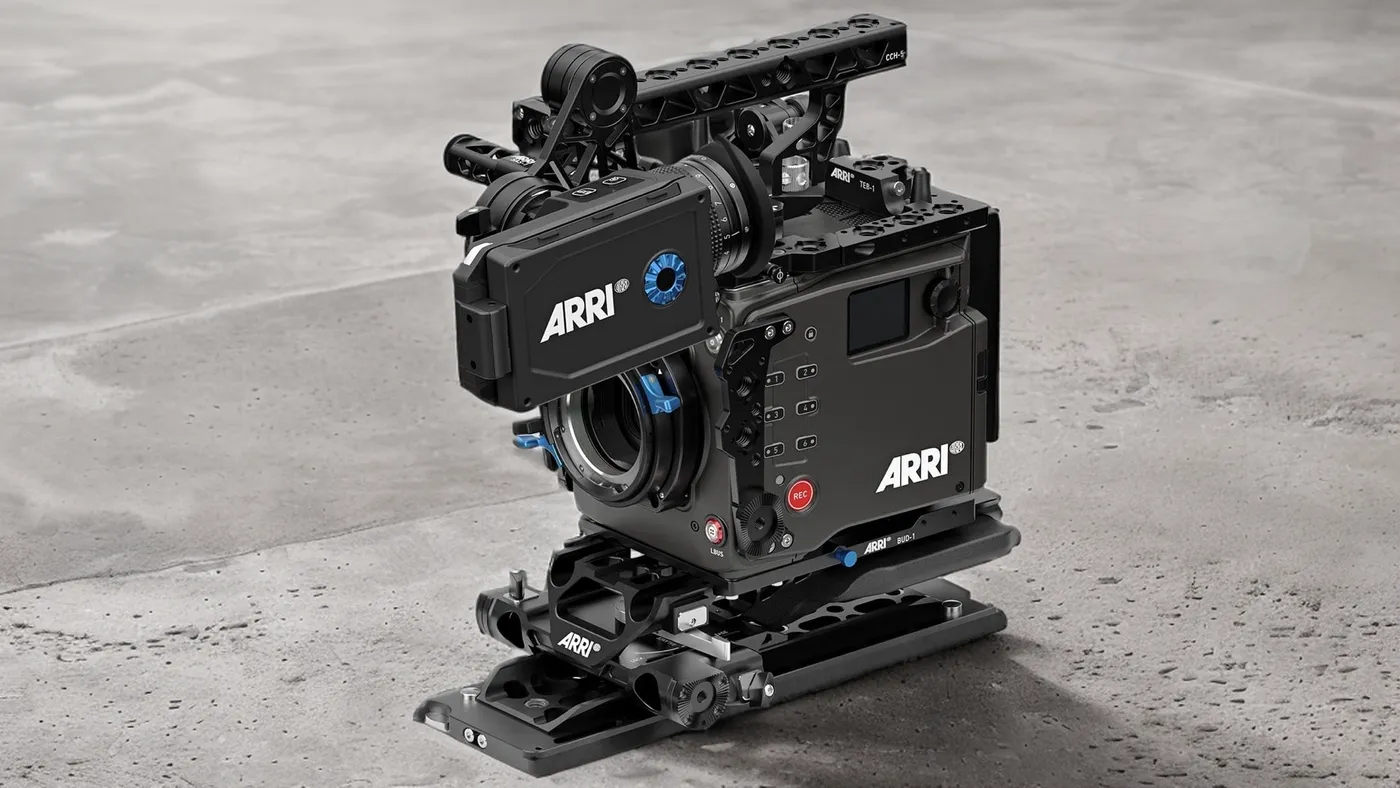
| Professional cinema | RAW, global shutter or large dynamic range, modular accessories | RED Komodo-X, Canon C70, ARRI Alexa 35 |
Entry level
The Sony A6400 (2019) and the Panasonic Lumix G7 (2015) are older cameras that are still capable of good work and are cheap on the used market. The G7 is a Micro Four Thirds camera with 4K and interchangeable lenses, though its image is 8-bit and not as flexible in grading. If you are buying new, newer APS-C bodies add better stabilization, better codecs and stronger autofocus. Spend the savings on a fast lens and a decent microphone.
Mid range
This is where many indie filmmakers should look, because the jump in usability is large.
- Sony FX3 and FX2: compact cinema-style bodies with strong autofocus and Sony's cinema color. The FX3 has no built-in ND filters, so budget for screw-on or matte box filters. The Sony FX3 is a 2021 camera, and reports suggest Sony has introduced a successor, the FX5, in 2026, which may lower used FX3 prices. Check the current Sony lineup before you commit.
- Panasonic GH7 and S5 II: the GH7 is a Micro Four Thirds camera with 6K and strong stabilization, and the S5 II is a full-frame option with internal 10-bit recording.
- Canon C50: a full-frame cinema-style body with 7K recording. Check current pricing and Canon's lens ecosystem.
- Blackmagic PYXIS 6K: a modular full-frame box camera with 6K, Blackmagic RAW and 13 stops of dynamic range. It is strong value if you like building a rig and do not rely on autofocus.
- Nikon ZR: a compact full-frame cinema-style camera with R3D RAW, offered at a competitive price. Check its latest firmware and features.
Professional
The RED Komodo-X is a compact Super 35, 6K global shutter camera. The ARRI Alexa 35 is a Super 35 camera widely used on large productions for its color and dynamic range. Most independent filmmakers rent these for a specific shoot rather than buy.
Budget for the whole kit, not the body
A camera by itself does not make a film. Plan spending across these areas.
- Lenses: one fast prime and one zoom cover most needs. Used manual-focus lenses on an adapter are a good way to get character cheaply.
- Sound: a shotgun microphone, a boom pole and a field recorder. Many first-time filmmakers underspend here.
- Support: a fluid-head tripod, and either a gimbal or slider for moves. See camera movements in cinematography.
- Media and storage: fast cards, a backup drive and a second backup.
- Lighting: one or two LED panels and a few modifiers.
Put these into your film budget early, so the camera does not eat the money you need for sound and locations.
Rent, buy or borrow
- Rent when a project needs a specific camera for a few days. It is also the best way to test a body before buying.
- Buy when you shoot regularly, or when you need a camera for your own pace of work.
- Buy used for lenses and older bodies. Used markets for Sony, Canon and Panasonic gear are active.
- Borrow from friends or a local film community. Many cities have collectives with gear libraries.
Mistakes to avoid
- Chasing resolution. Higher resolution means larger files and slower editing, with little visible gain.
- Ignoring the workflow. RAW looks great, but if your computer cannot edit it, you will struggle. See our list of free video editing software.
- Buying for a look you can do in post. Lens choice, lighting and grading shape the image more than the sensor.
- Skipping a test. Rent or borrow the camera, record in your usual lighting and edit the footage before buying.
The short version
If you are starting out, buy a used or entry-level mirrorless camera with 10-bit recording, a fast prime and a good microphone. If you are a working filmmaker, look at a compact full-frame cinema body for its built-in ND filters, audio inputs and codecs. If you are on a major project, rent what the project needs.
Whatever you choose, shoot something this month. The sooner you learn how a camera behaves, the faster your work improves.
Frequently asked questions
What is the best camera for filmmaking on a budget?
A used or current APS-C or Micro Four Thirds mirrorless camera that records 10-bit 4K, such as models from Sony, Panasonic, Canon or Blackmagic, is a strong start. Add a decent lens and an audio recorder before upgrading the body.
Do I need a cinema camera to make a film?
No. Plenty of festival shorts and features are shot on mirrorless cameras and even phones. A cinema camera gives you better ergonomics, built-in ND filters, XLR audio and more flexible codecs, but it does not make a better story.
Is a full-frame camera better for filmmaking?
Full frame gives shallower depth of field and often better low-light performance, but Super 35 is the traditional cinema format and works beautifully. Choose based on the look you want and the lenses you can afford.
Should I rent or buy a camera for my film?
Rent if you need a high-end camera for a few days. Buy if you shoot often, want to practice on your own schedule or need a B-camera. Rent a camera before buying one to make sure you like how it handles.
Can I shoot a movie on a smartphone?
Yes. Phones can record 4K with good dynamic range. You give up lens flexibility, shallow depth of field and some control, but with good light, sound and story, it is a legitimate path.