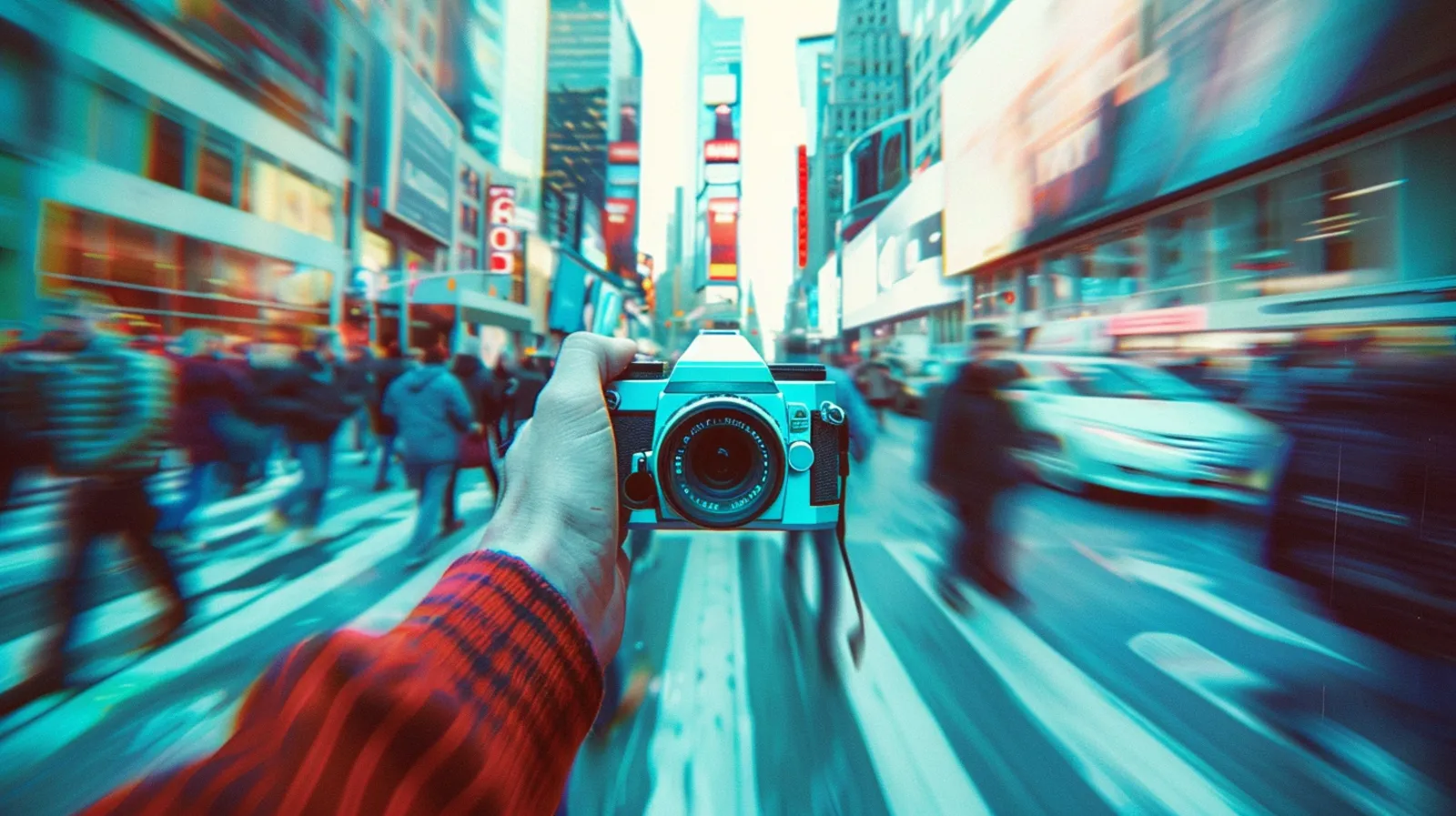
Cinematography is the art and craft of photographing a motion picture. It covers every visual choice made in front of the camera: how a shot is framed, where the camera is placed, which lens is used, how the scene is lit, and how the final image looks in color and contrast. The word comes from the Greek for "writing with movement," which is a useful way to think about it. The cinematographer writes the story in light.
This guide explains what cinematography is, what a cinematographer actually does, and the core elements you can start using on your next shoot.
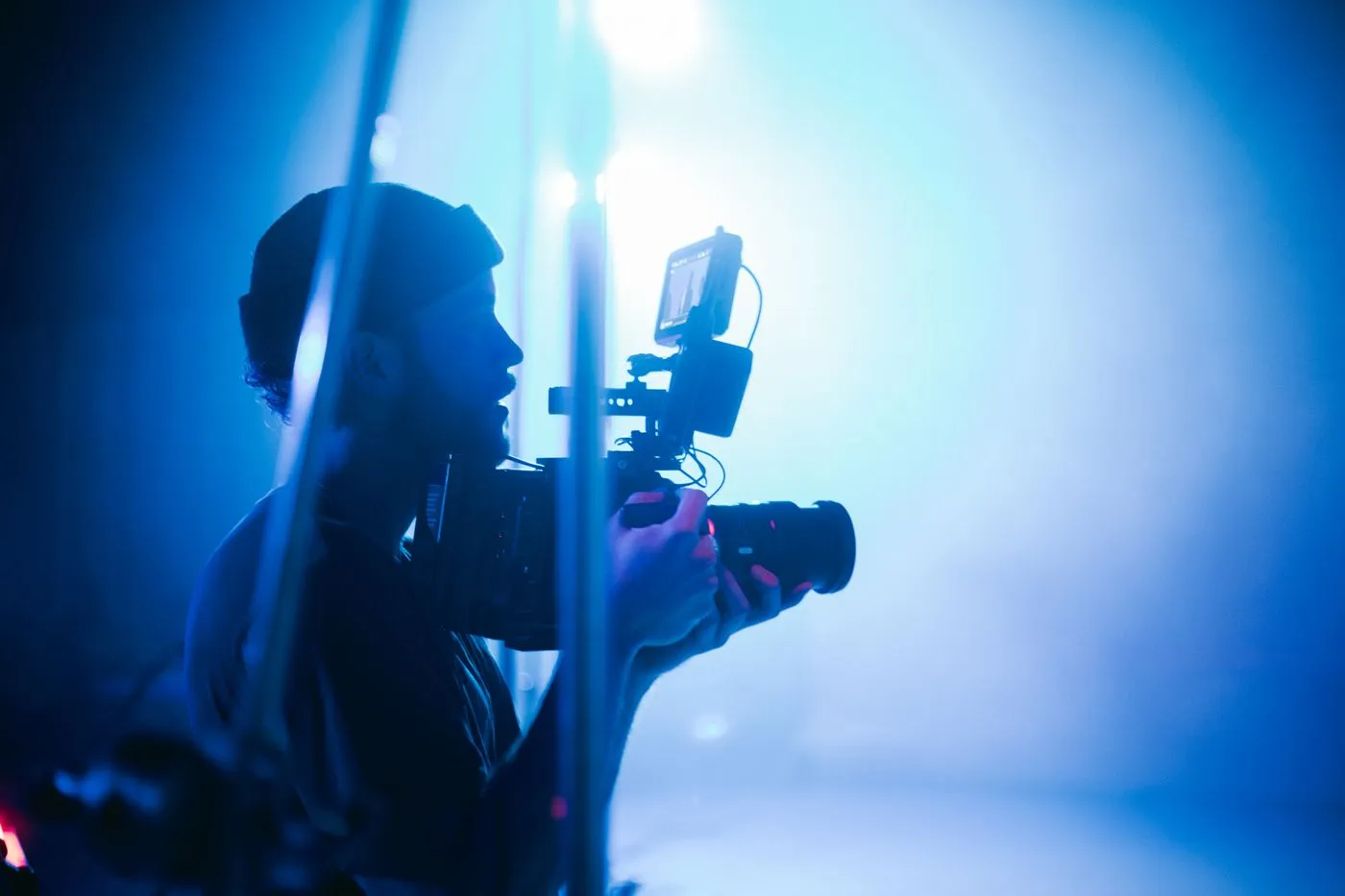
Cinematography definition
In plain terms, cinematography is everything the audience sees that was decided by the camera and the lighting. The script says what happens. The performances show how it feels. Cinematography decides how it looks, and that look shapes how the audience reads the moment.
Two scenes can have identical dialogue and feel completely different. Shot in warm, soft light with a slow push-in, a conversation feels intimate. Shot in cold, hard light from a distance with a locked-off frame, the same conversation feels tense or lonely. That difference is cinematography.
What does a cinematographer do?
The cinematographer, often called the director of photography or DP, is the person responsible for the image. Their job includes:
- Developing the visual approach with the director. Reading the script, discussing tone and references, and deciding how the film should look and move.
- Choosing the equipment. Cameras, lenses, filters, lights and camera support such as tripods, dollies and gimbals.
- Designing the lighting. Deciding where light comes from, how hard or soft it is, and what color it has.
- Composing and blocking shots. Working out where the camera goes and what is in the frame for every setup.
- Leading the crew. Directing the camera operator, the gaffer who handles lighting, and the grip team who move and support the gear.
On a small production, one person often covers several of these roles. On a no-budget film, the director, cinematographer and camera operator might be the same person. The craft is the same regardless of the crew size.
The core elements of cinematography
Composition and framing
Composition is how the elements of a scene are arranged inside the frame. Classic tools include the rule of thirds, leading lines that draw the eye, and framing a subject within a doorway or window. Headroom, lead room and negative space all affect how a subject feels. A character placed small in a large empty frame feels isolated. The same character filling the frame feels exposed or trapped.
Shot size and camera angle
Shot size is how much of the subject you see, from an extreme wide shot that shows the whole location to an extreme close-up on a detail such as an eye. Camera angle is where the camera sits in relation to the subject. A low angle looking up tends to make a subject feel powerful. A high angle looking down can make them feel small or vulnerable. Shot size and angle together are the basic vocabulary of coverage, and they are what you list when you build a shot list.
Camera movement
Movement guides attention and controls energy. A static frame feels stable and observational. A slow dolly move can build tension or draw the audience closer to a character. Handheld camera adds immediacy and unease. Each move carries meaning, so use it deliberately. Our guide to camera movements covers the main moves, and handheld vs stabilized helps you choose between them.
Lenses and focal length
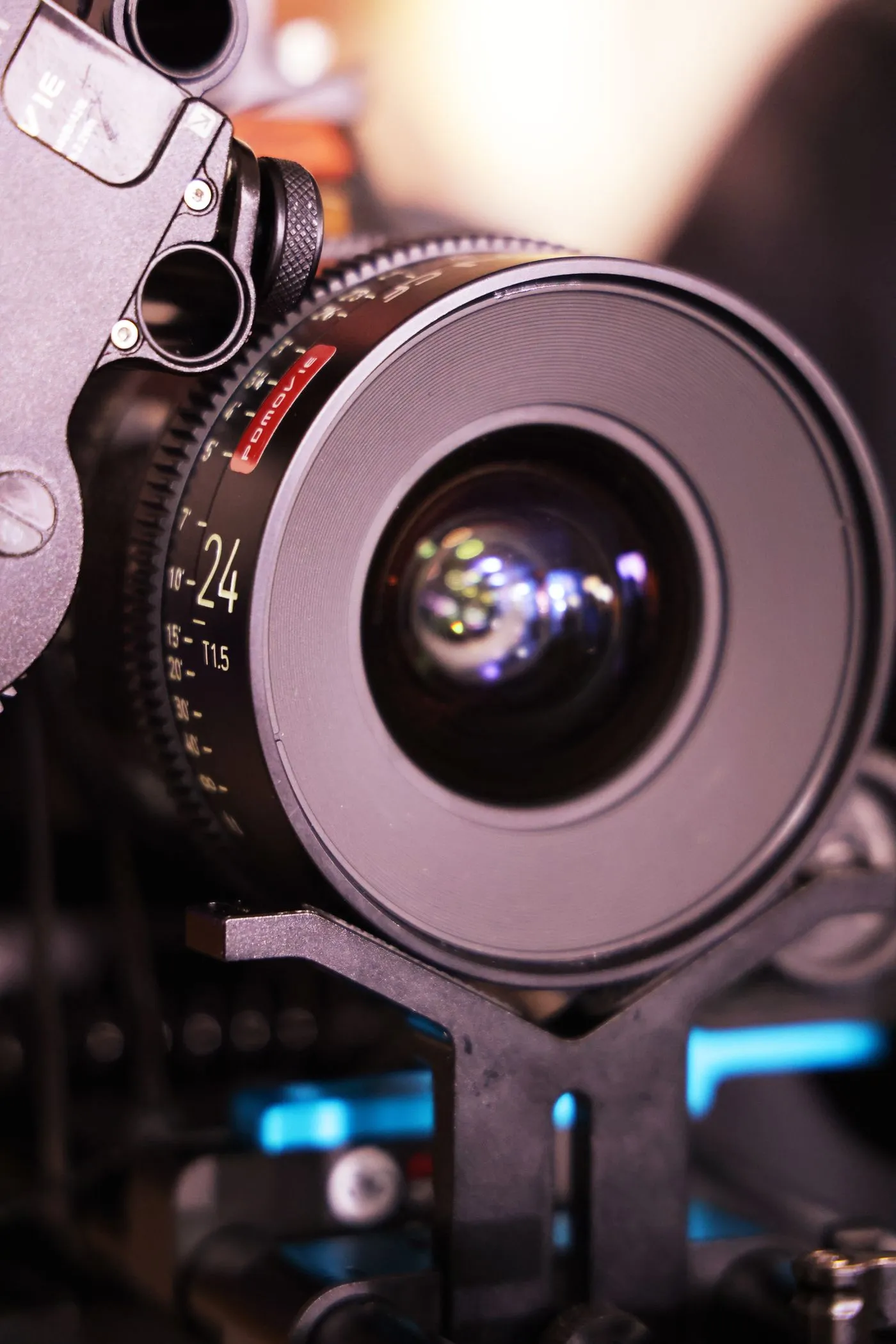
The lens determines how much of the scene fits in the frame and how space appears. A wide-angle lens exaggerates depth and makes spaces feel larger, but can distort faces when you move close. A telephoto lens compresses distance and isolates the subject from the background. Standard focal lengths around 35mm to 50mm feel closest to natural human vision, which is why they are so common for dialogue.
Depth of field and focus
Depth of field is the range of distance that appears sharp. Shallow depth of field blurs the background and separates the subject. Deep depth of field keeps foreground and background sharp, which suits landscapes and scenes where the environment matters. Pulling focus from one subject to another, called a rack focus, directs the viewer's attention without a cut. See our depth of field tips for how aperture, focal length and distance work together.
Lighting
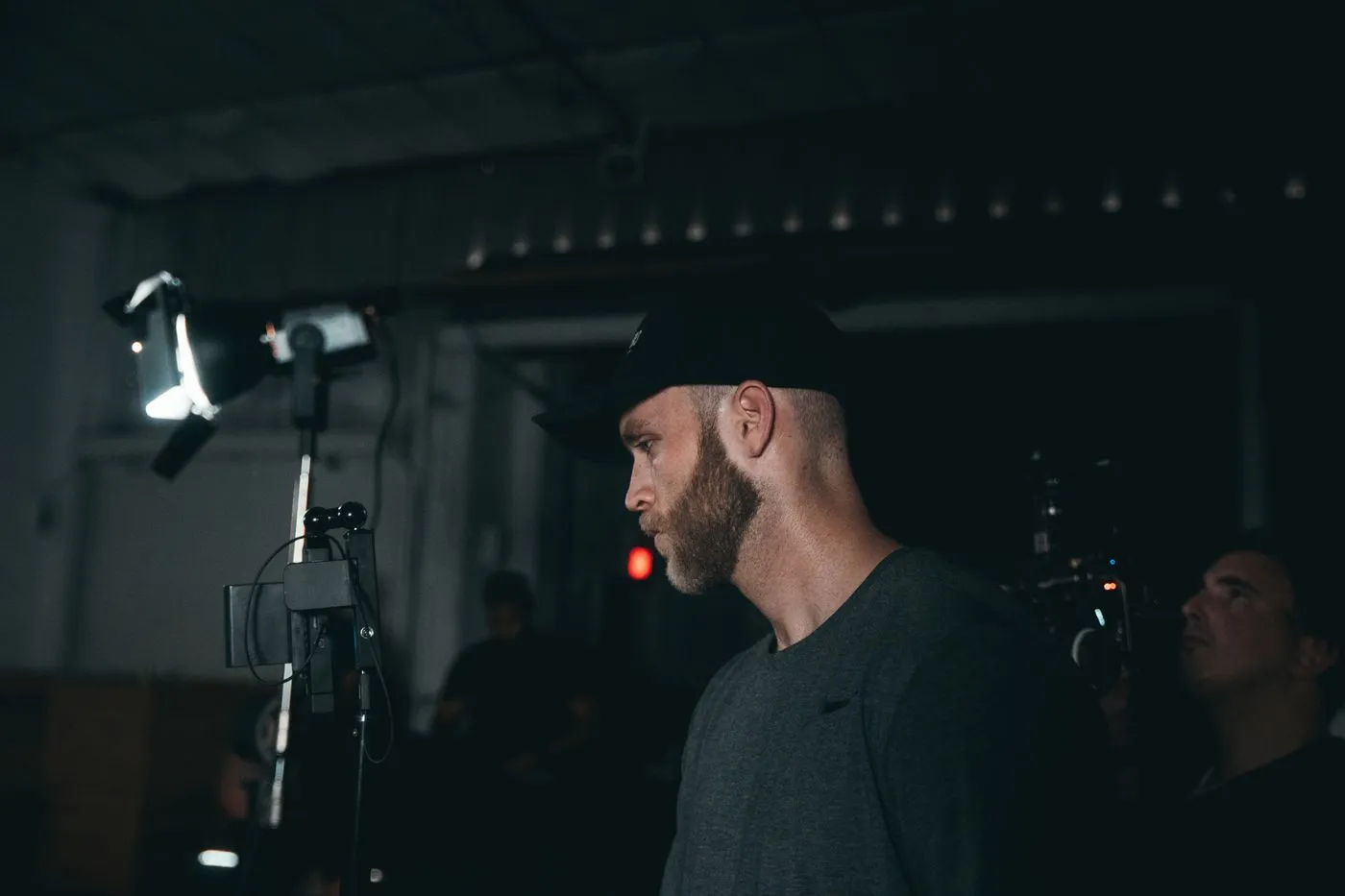
Lighting is often the biggest difference between footage that looks amateur and footage that looks cinematic. The classic setup uses a key light as the main source, a fill light to soften shadows, and a backlight to separate the subject from the background. Beyond the setup, think about quality and contrast. High-key lighting is bright with few shadows, common in comedy and light drama. Low-key lighting is dark with strong contrast, common in thrillers and horror. Motivated lighting, where the light appears to come from a source in the scene such as a window or a lamp, keeps the image believable.
Color
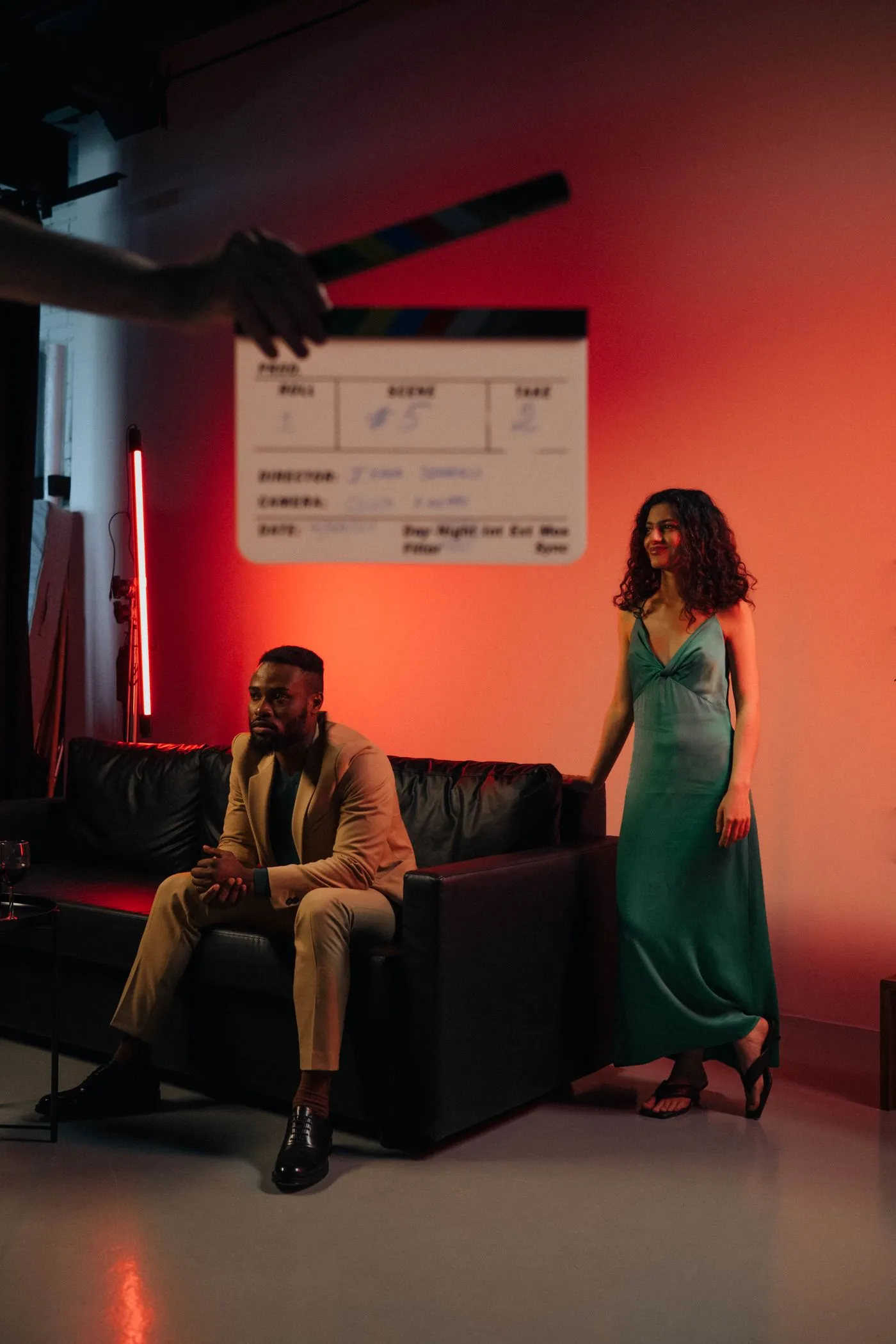
Color sets mood before anything else registers. Warm tones tend to feel nostalgic or comfortable. Cool tones tend to feel distant, clinical or tense. Many films use a restricted palette, or a strong contrast such as teal shadows against warm skin tones, to create a consistent look. Color is shaped on set through lighting, production design and costume, and then refined in post. If you are unsure about the difference between the two post stages, our post on color grading vs color correction explains it.
Exposure, aspect ratio and frame rate
These technical choices have creative effects too. Exposure controls how bright or dark the image is and how much detail survives in the highlights and shadows. Aspect ratio, the shape of the frame, changes how a scene feels: wider frames emphasize landscape and scale, while narrower frames feel more intimate. Frame rate affects motion. The common 24 frames per second gives the familiar filmic motion, while higher rates are used for slow motion.
Cinematography principles that matter more than gear
- Serve the story. Ask what the scene is about and what the audience should feel, then choose framing, lens and light to support it. A beautiful shot that distracts from the story is a bad shot.
- Be consistent. A visual approach works when it is repeated with purpose. Pick a handful of rules for the film, such as always handheld for one character or always locked-off for another, and stick to them.
- Light first. Good lighting on a basic camera beats poor lighting on an expensive one. Learn to see where light is coming from and shape it.
- Plan your coverage. Know what shots you need before you arrive. A written plan is the fastest way to stay on schedule.
- Study the work. Watch films with the sound off and ask why each shot is framed, lit and moved the way it is. Pause and look at what is in the corners of the frame.
How to start learning cinematography
You do not need a cinema camera to practice. A phone, a lamp and a few free afternoons are enough.
- Light one subject three ways. Place a lamp in front, to the side and behind a friend or an object, and compare the footage.
- Shoot one scene in different shot sizes. Film a simple action, such as someone opening a door, as a wide, a medium and a close-up, then cut them together.
- Copy a shot. Recreate a favorite frame from a film with whatever you have. You will learn more from reverse-engineering a shot than from reading about it.
- Learn the gear later. When you are ready to buy, choosing the right camera is easier once you know what you need it for.
Final thoughts
Cinematography is a way of thinking as much as a set of techniques. Every choice, from where you put the camera to the color of the light, tells the audience how to feel about what they are seeing. Learn the elements above, practice them deliberately on small projects, and always ask what the story needs. The gear will matter later. Learning to see comes first.
Frequently asked questions
What is cinematography in simple terms?
Cinematography is the art and technique of photographing a film. It covers framing, camera angles and movement, lenses, lighting and color: everything that decides how a story looks on screen.
What does a cinematographer do?
A cinematographer, also called a director of photography or DP, designs the look of a film with the director. They choose cameras, lenses and lighting, plan how shots are composed and lit, and lead the camera and lighting departments on set.
What is the difference between cinematography and videography?
The two overlap, but cinematography usually refers to narrative filmmaking where every image is designed to serve a story, often with a dedicated crew. Videography more often means documenting real events, such as weddings or corporate shoots, with a smaller setup.
What is the difference between a cinematographer and a director?
The director is responsible for the performances and the overall vision of the film. The cinematographer is responsible for how that vision is captured visually. They work closely together, and the split of responsibilities varies from production to production.
Can I learn cinematography without expensive gear?
Yes. Framing, lighting and movement can all be practiced with a phone and a lamp. Learning to see light and composition matters far more than the camera you own.